Ending Violence Against Women: The Role of Healthcare Providers in Recognizing Abuse and Supporting Survivors
Violence against women is a widespread public health issue that affects millions of women worldwide. While physical injuries may be the most visible signs of abuse, violence can also take less obvious forms, including emotional and psychological abuse, sexual assault, harassment, stalking and technology-facilitated abuse.
Read More
National Rural Health Day: Rural Healthcare Challenges and Solutions
Rural healthcare in America is at a crossroads. An October analysis found that nearly 700 rural hospitals are at risk of closing.
Read More
Behavioral Health Policy Watch: November Update
Behavioral health is at the center of several consequential policy decisions this month. New Medicaid eligibility requirements could interrupt treatment for patients with mental illness or substance use disorders if states and providers do not establish reliable verification and renewal processes.
Read More
Health Literacy Month: Building a Healthier Community Through Clear Communication
Virtually every day we make decisions that affect our health. We decide when to schedule a health screening, how to take a medication, where to find reliable health information and how to support a loved one. But health information isn’t always easy to understand.
Read More
Behavioral Health Policy Watch: October update
The September Policy Watch emphasized implementation readiness: Medicaid community engagement requirements, eligibility redeterminations every six months, federal behavioral health funding, Ohio Medicaid program-integrity changes, and uneven state preparation across Maryland, Virginia, and the District of Columbia. The October update shows those threads moving from planning into execution.
Read More
The Future of Association Leadership Begins with Culture
The association sector is entering one of the most consequential periods in its history. Organizations are being asked to do more than ever before. Members expect greater value. Technology is transforming how we work. The workforce has fundamentally changed its expectations of leadership, flexibility, and purpose.
Read More
Policy Watch: September Update
The biggest shift in recent weeks has been from broad federal policy development to state-level implementation and provider readiness.
Read More
Hunger Action Month: Recognizing a Crisis Impacting Millions
For millions of Americans, putting dinner on the table can mean making difficult choices, like choosing between buying groceries and filling a prescription, or paying a utility bill. These decisions are part of everyday life for nearly 48 million people living in food insecure households, including 14.
Read More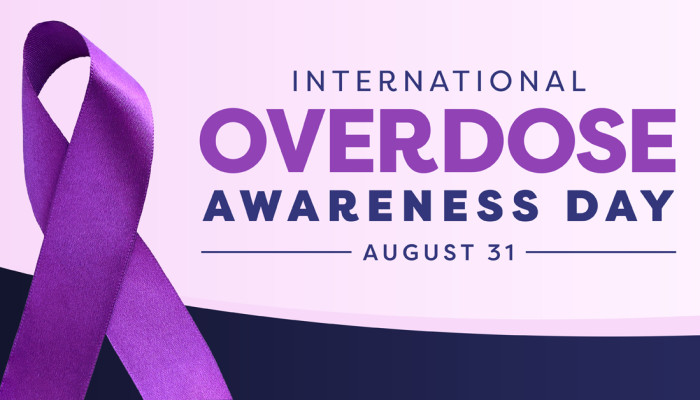
International Overdose Awareness Day: Understanding the Changing Crisis
The overdose crisis continues to change over time, shaped by shifts in the drug supply, access to care and the resources available to communities.
Over the past two decades, communities across the United States have experienced a significant increase in drug overdose deaths.