WellLink Health Alliance Brings Healthcare Priorities to Capitol Hill as 2027 Federal Budget Process Gets Underway
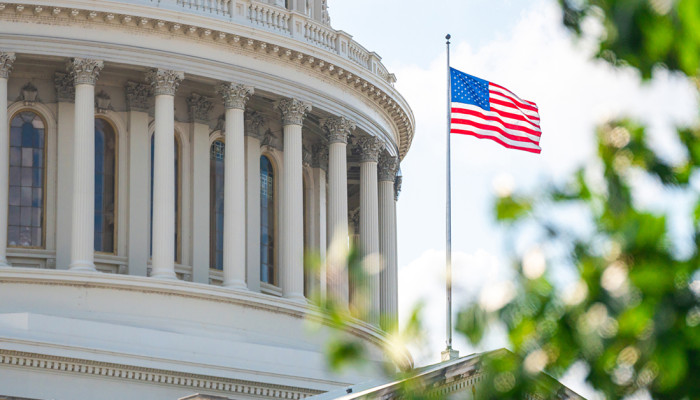
With the federal budget process underway and pressure mounting on the nation’s healthcare system, WellLink Health Alliance recently took its advocacy directly to Capitol Hill, urging lawmakers to act on policies that protect access to care, improve affordability and strengthen the healthcare workforce.
The visit, held in conjunction with the American Hospital Association annual meeting, allowed WellLink the opportunity to talk with congressional offices about the challenges facing the nation’s healthcare system, and the policy changes needed to address them.
At the center of WellLink’s message were three interconnected priorities: access, affordability and workforce, issues leaders say are increasingly difficult to separate as financial, operational and staffing pressures intensify across the care continuum.
Rising Costs Strain Affordability and Access
WellLink emphasized that the cost of delivering care continues to climb, driven by more advanced treatments, an aging population, growing behavioral health needs, and increasingly complex patient conditions. At the same time, providers face mounting expenses tied to workforce shortages, higher pharmaceutical costs, supply chain pressures and necessary investments in technology and infrastructure.
To address these challenges, WellLink urged Congress to streamline prior authorization processes and enforce timely and equitable payment practices. The organization also called for policies that reduce administrative burden and protect access to the full continuum of care, including behavioral health and community-based services.
Coverage Trends Raise New Concerns
WellLink pointed to emerging data suggesting instability in the individual insurance market. Early figures from the Centers for Medicare & Medicaid Services show Affordable Care Act marketplace enrollment declining in 2026 for the first time in several years, with projections indicating a potential drop of 17% to 26%.
At the same time, analysis from Wakely Consulting Group found that a notable share of enrollees failed to pay their initial premiums, raising concerns about coverage continuity and financial exposure for patients.
These trends underscore the need for policies that address underinsurance, reduce medical debt, and ensure patients can access needed care without financial hardship.
Workforce Challenges Demand Federal Action
In meetings with lawmakers, WellLink also highlighted the growing strain on the healthcare workforce, including persistent shortages across clinical roles and rising concerns about workplace violence.
The organization voiced support for the Save Healthcare Workers Act (H.R. 3178 and S. 1600), which would establish federal protections against assault for healthcare staff, and called attention to broader workforce pipeline challenges. These include barriers affecting international physicians and visa programs, as well as proposed federal student loan changes that could limit access to training for key health professions.
WellLink urged congressional offices to support the H–1Bs for Physicians and the Healthcare Workforce Act (H.R.7961). This bill would exempt certain healthcare workers from the restriction on H–1B entry under a presidential proclamation, allowing entry without the additional $100,000 fee. This fee limits access for qualified international professionals and exacerbates existing workforce shortages to the detriment of all patients and health professionals.
WellLink warned that the Department of Education’s recent proposed rule narrowing the definitions of “professional degrees” for graduate student borrowing could unintentionally worsen workforce shortages as demand for care continues to grow.
Advocacy Tied to Federal Budget Decisions
WellLink brought this message to lawmakers at a critical time. With the administration’s proposed fiscal year 2027 budget released earlier this month, WellLink’s conversations were aimed at ensuring lawmakers understand how federal decisions will affect healthcare providers and the communities they serve.
Specifically, WellLink urged members of Congress to maintain funding for the Hospital Preparedness Program, the Regional Disaster Health Response System, and other healthcare readiness and recovery programs that the president proposed to eliminate in the administration’s budget proposal. Cuts to preparedness infrastructure result in slower emergency response; reduced hospital and community coordination; and increased vulnerability to public health crises.
WellLink coordinates the collaborative work of 25 hospitals and dozens of other Northeast Ohio Healthcare Coalition members across the region to prepare for and respond to disasters. The program encompasses a federally designated five-county region that includes Ashtabula, Cuyahoga, Geauga, Lake and Lorain counties and is currently funded by the Department of Health and Human Services Administration for Strategic Preparedness and Response (ASPR).
As budget negotiations move forward, WellLink’s message remains focused: policies that support affordability, protect access and strengthen the workforce are essential both for providers, and for the health and well-being of communities nationwide.