National Public Health Week: How Our Lives are Impacted by Public Health
Across the country, public health systems are working every day to protect and improve the well-being of our communities, often quietly and under increasing strain. During National Public Health Week, we have an opportunity not only to reflect on the advances made, but also to recognize the continued need for investment, collaboration, and strong public health infrastructure to meet the challenges ahead.
National Public Health Week reminds us that the progress we’ve made in improving health and extending life expectancy did not happen by accident. It is the result of decades of collaboration, scientific advancement and community-driven efforts.
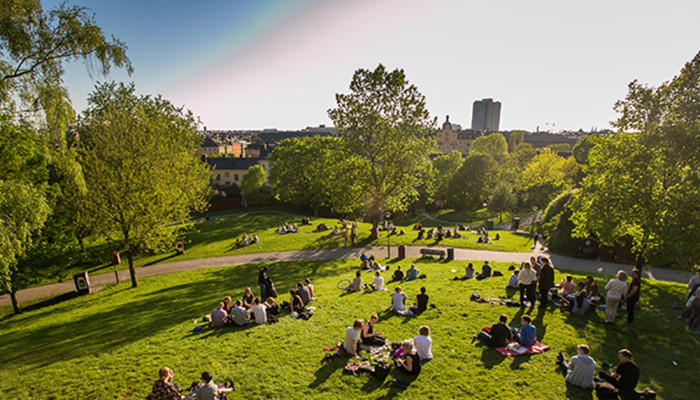
This week is also a reminder to honor public health workers, advocate for policies and practices that promote improved health for everyone in our community, and recognize how deeply public health is woven into our everyday life, from the water we drink to the parks we enjoy.
A Day in the Life of Public Health
The concept of public health becomes easier to understand when you consider how it quietly supports you from the moment you begin your day.
When you wake up and brush your teeth, shower, flush the toilet, and drink water from the faucet, each of these simple actions is supported by an entire system that ensures water is clean, treated and safe to drink. Working together to ensure something as simple as hydration doesn’t become a health risk, regulations, testing and infrastructure form an invisible safety net that protects communities by preventing disease and ensures reliable access to clean water every day.
As you leave your home, your environment continues to shape your health and well-being. The conditions of the streets you drive on, the presence of sidewalks and access to bike lanes all influence how safely you can move through your neighborhood, and how easily you can stay active.
On your way to work, you might pass a park or a local business, each reflecting public health in action through air quality standards, zoning decisions and community planning. Even the presence of green space and trees plays a role in improving our health by offering cleaner air and reducing stress.
When lunchtime arrives, maybe you stop at a grocery store or visit a restaurant. Again public health is involved through food safety inspections, storage requirements and proper handling of food. However, your access to healthy food options can vary depending on where you are located. This is just one example of how equity and public health are tied together and it emphasizes the importance of making sure every community has the proper resources to support health and well-being.
As you go about your day, your surroundings continue to influence your health. Indoors and outdoors, the air you breathe affects your health, as do workplace safety requirements and even workplace breaktimes. Perhaps you go for a quick walk in a nearby park, where you can relax and exercise, providing a benefit to your mental and physical health.
With the end of the workday, you safely drive home thanks to well-planned traffic patterns, street lighting and neighborhood safety measures. This is an area where safety and health overlap, reinforcing that health is not only about avoiding illness, but about creating environments that foster safety and protection from injury.
By the time you fall asleep, you’ve encountered public health dozens of times without ever needing to think about it.
Public Health in Ohio: Challenges and Opportunities
What feels invisible in our daily routines becomes much more noticeable when we look at the data behind health outcomes. According to the National Academy of Medicine, medical care is estimated to account for only 10-20% of the modifiable contributors to healthy outcomes for a patient. The remaining 80-90% are due to social determinants of health, the environmental conditions in which people are born, grow, live, work and age. Public health focuses not only on treating illness, but on improving the conditions that shape health in the first place.
Across the United States, these underlying conditions contribute to complex and evolving health challenges. Chronic diseases such as heart disease (919,032 deaths in 2023) and cancer (613,349 deaths in 2023) remain leading causes of death. These outcomes are closely tied to the environments where people live and work.
According to the National Library of Medicine, environmental stressors associated with human activities like air and noise pollution and climate change, including wildfires and extreme weather events, are increasingly recognized as contributing to cardiovascular morbidity and mortality.
In Ohio, these health challenges continue to impact communities. The national average life expectancy is 78.4 years as of 2023, while Ohio’s is 74.5, and heart disease remains the state’s leading cause of death. Additionally, Ohio continues to be impacted from the opioid crisis, with a drug overdose death rate of 20.1 per 100,000 residents in 2024.
These statistics represent more than numbers; they represent families and neighbors within our communities. They also highlight why public health must extend beyond treatment to focus on prevention, education and environment where people live.
In Cleveland, OH, public health is deeply connected to community conditions. Under the Cleveland Era initiative led by Mayor Justin Bibb, the city is advancing a vision that includes industrial revival, neighborhood vibrancy and government innovation, each of which has direct implications for health.
The industrial revival work is focused on restoring the waterfront, including both the lakefront and the riverfront, allowing for more green space access to residents.
The initiative's neighborhood vibrancy highlights how housing and health are connected. In Cleveland, there are more than 100,000 homes built before 1950, and many are in need of repair or demolition. Additionally, there are approximately 400 homes under orders to vacate due to lead poisoning. Cleveland has made significant progress in reducing childhood lead poisoning rates from 52% in 2005 to under 20% today.
Together, these efforts demonstrate that improving health is not achieved through one single solution, but through a shared commitment shaped by the healthy environments we build, the policies we support and the investments we make in our communities.
Making a Difference in Your Community
Public health isn’t always visible when it’s working well, yet when it fails, the impact can be devastating. Comprised of delicate systems that are designed to prevent outbreaks, support clean environments, and encourage healthy living, public health policies and services have the ability to protect every person in our community, including the most vulnerable populations.
As we begin National Public Health Week, take a moment not only to notice the unseen systems supporting your health every day, but also to consider how we can help strengthen them. From green space to clean water, accessible healthy food options, and more, public health is not only a service, but also the foundation of a healthy and thriving community, and it depends on sustained investment, strong partnerships and a shared commitment to improving the conditions that shape health.
You don’t need to be a public health professional to make a difference. Supporting local initiatives and advocating for safer communities are two ways to contribute positively. Each of us has a role to play, and by working together, we can make the foundation even stronger. Visit American Public Health Association’s website to learn more about National Public Health Week and browse shareable social media posts.